
pentransmissions
-

What do you think about when you think about nature? Weeds? Mountains? The sea? Do you think about its absence, or perceived absence, in cities? Or do you ponder human nature?
-
‘Never mind what the TV says! The weather is getting worse, my bones don’t lie!’ That was one of the expressions I’d hear hundreds of times in my childhood. And it was true: technology left room for error, but not one’s bones.
-
The idea that we are surrounded by secret undercurrents that shape our interactions is appealing and depressing in an equal fashion. Appealing because there are mysteries to be uncovered, intimacies to be shared.
-
What you think is normal might be very strange to others. You emulate certain behaviours. When you become a teenager, you start to compare yourself even more.
-
You will never know my best-kept secret. I’m almost certain that it is not shareable — you can’t push your thumbs into it and hand out its segments.
-
When I was a little girl, everyone around me believed that sex was a sin.
-
It clicks in my head like magic, like a small lamp switching on in the corner of the stage, outside the spotlight.
-
We asked four writers to reflect on different aspects of how they write the past: from personal history to a country’s official past…
-
The first gay couple I ever saw in real life was a pair of Dutch film festival co-directors who visited Pasar Rawalumbu, a market where my mother ran a kiosk selling clothes.
-
‘I’m not interested in history itself. I’m interested in the past that has not passed.’
-
It dawned on me that the people around me needed a serious antidote to the historical amnesia that had taken hold of them…
-
I am contesting the validity of history as we know it, because what is recorded is never told from the perspective of the victim, it is always the victor.
-

The concept of a ‘nation’ doesn’t have the power to describe the contemporary identity of people living in the world. We should look for other ideas to describe us as a collective, as a group, as a society.
-

Was the ruling system in need of all the propaganda it made? A dictatorship such as this one grows up with propaganda, nourishes itself on shaping people’s consciousness, and fades when they stop believing it.
-
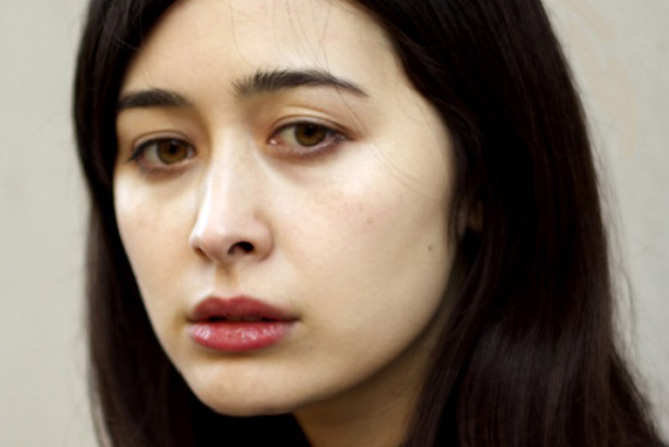
I hope that when we read each other’s work, we are better able to comprehend the struggles of those around us. I hope it helps us perceive the humanity of those with lives different from our own.
-
We asked four writers what happens after a revolution, after a political crisis or transformation, once the cameras have moved on, when it’s just you and the aftermath of whatever happened.
-

To write thinking of a novel’s reception and anticipating that it will be of interest is an idea of hell, a betrayal.
-
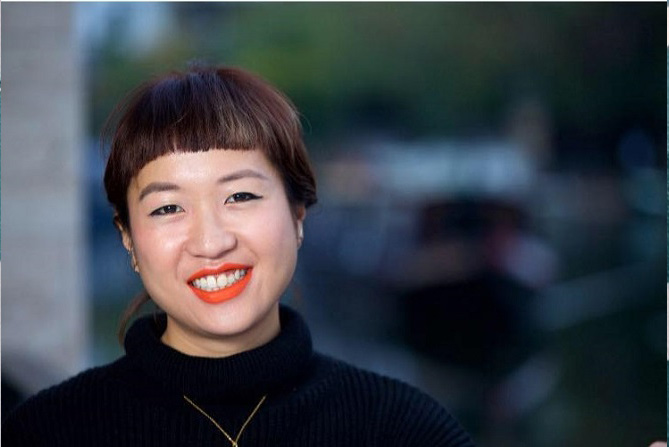
One place can be many, many things. I’d like to convey an image of Singapore that deviates from Western-centric cultural explanation.
-
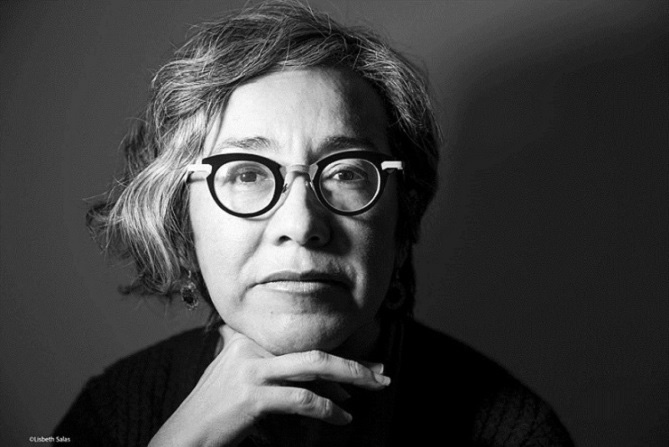
Producing unusualness, writing expands our sense of what is possible. Imaginable. Livable. Publishing women authors is not a minor component in this process.
-
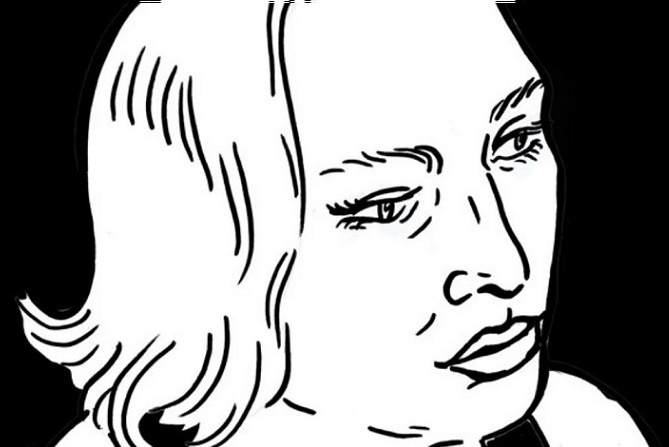
The category of ‘woman writer’ can include anyone who covers gender-based oppression and violence from a position of lived experience, but only – and most importantly – if they want or need for the category to contain them.
 PEN Transmissions